Great Observation Art Drawing the Person Across From You
fifteen observational drawing tips

Five years ago, I was a brat who was overconfident about my art skills. I drew the same four poses over and over over again, but since I drew them well, it merely fed my ego!
And so I met one of my heroes, who was kind enough not to throw my sketchbook away, merely harsh plenty to permit me know that I didn't know how to draw. "Your drawings have no life. Y'all need to feel what you are drawing. Your back needs to ache if you're cartoon someone angle over," he said.
Honestly, I didn't understand a thing. Simply it did ready me off on a hunt to understand what he meant. 3 years later, later having regularly sketched every day and having followed many sketching tips, I got the commencement glimpse of what he was getting at. While sketching a daughter sinking into her sofa, I realised I was sinking myself, to experience the pose.
This wasn't my only experience, though: there were numerous more that shaped my observation. Each of them opened me upwards to a globe of possibilities. Through this workshop, I would like to share my ideas that could give you that fiddling push to explore the world for yourself. My aim is to help you personalise the worlds that you create through your fine art and truly larn how to draw.
01. Include specific concrete attributes
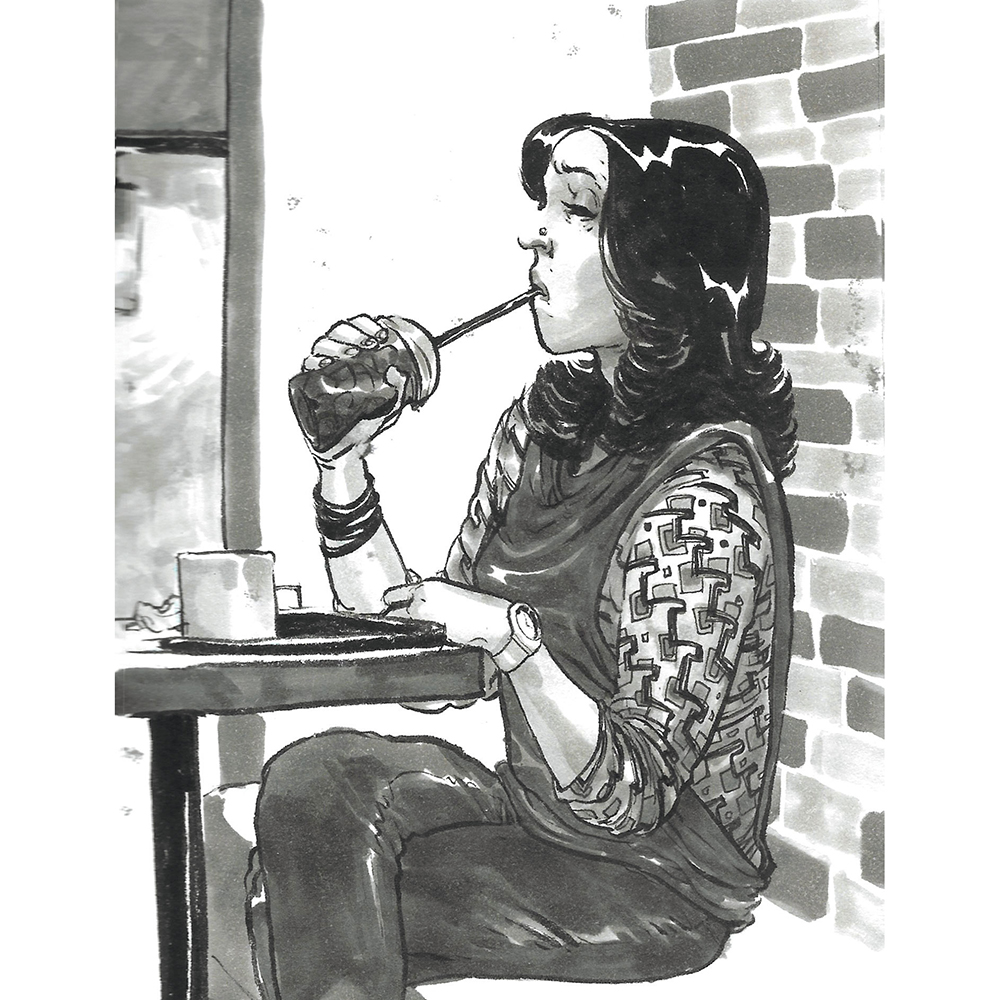
Kleptomaniacal noses, hair styles, moustaches, tattoos, fashion accessories… there's and so much to observe and recreate on the canvas when painting human characters. And don't forget the patterns on diverse surfaces. They only add so much to an illustration.
- How to improve your character drawing
02. Observe nuances
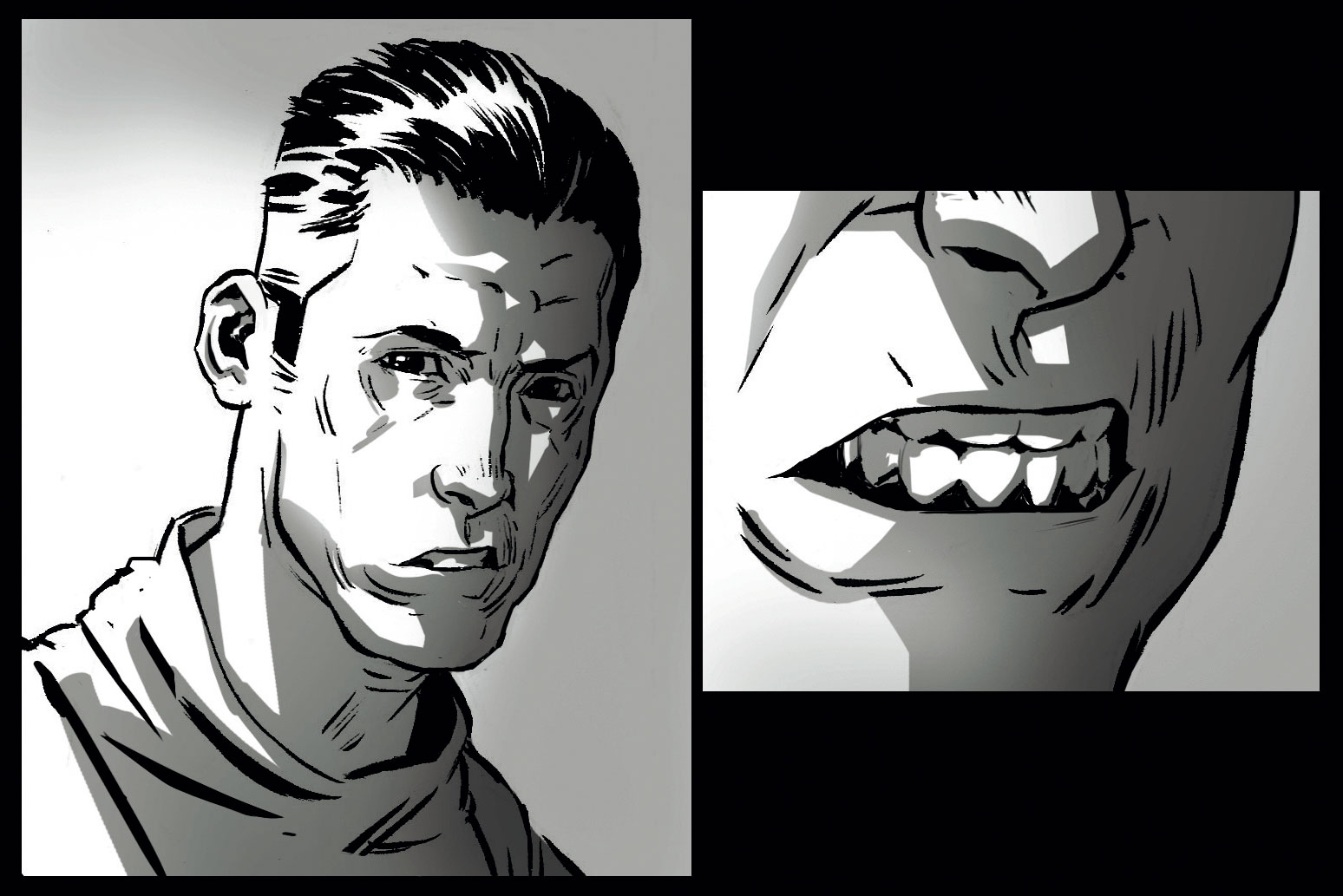
Observe how subtle changes in body language can change the mental attitude of a person. A raised eyebrow can add volumes, although in that location'south little concrete change. Nuances could be atmospheric, besides. Imagine a young male child reading a volume. On the wall is a poster of Lionel Messi. Switch the poster to one of Albert Einstein and there'southward a consummate change in context.
03. Break symmetry
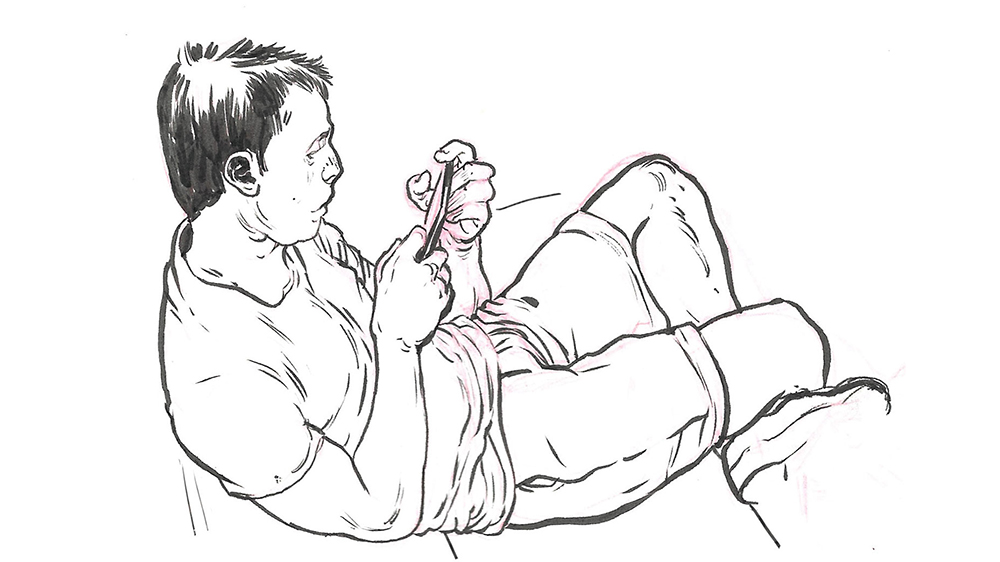
Hither's an early on observation and important lesson that I learned: our actions are rarely symmetrical in nature. Even the simplest of gestures like sitting or standing aren't evenly balanced.
You'll often hear artists say that symmetry is irksome, and this is simply because it makes things experience besides organised and forced. Generally, if a moment is something that calls for attending – say, an activeness that'south k or epic – is resorting to symmetry the all-time fashion forward?
04. Sympathise the nature of light
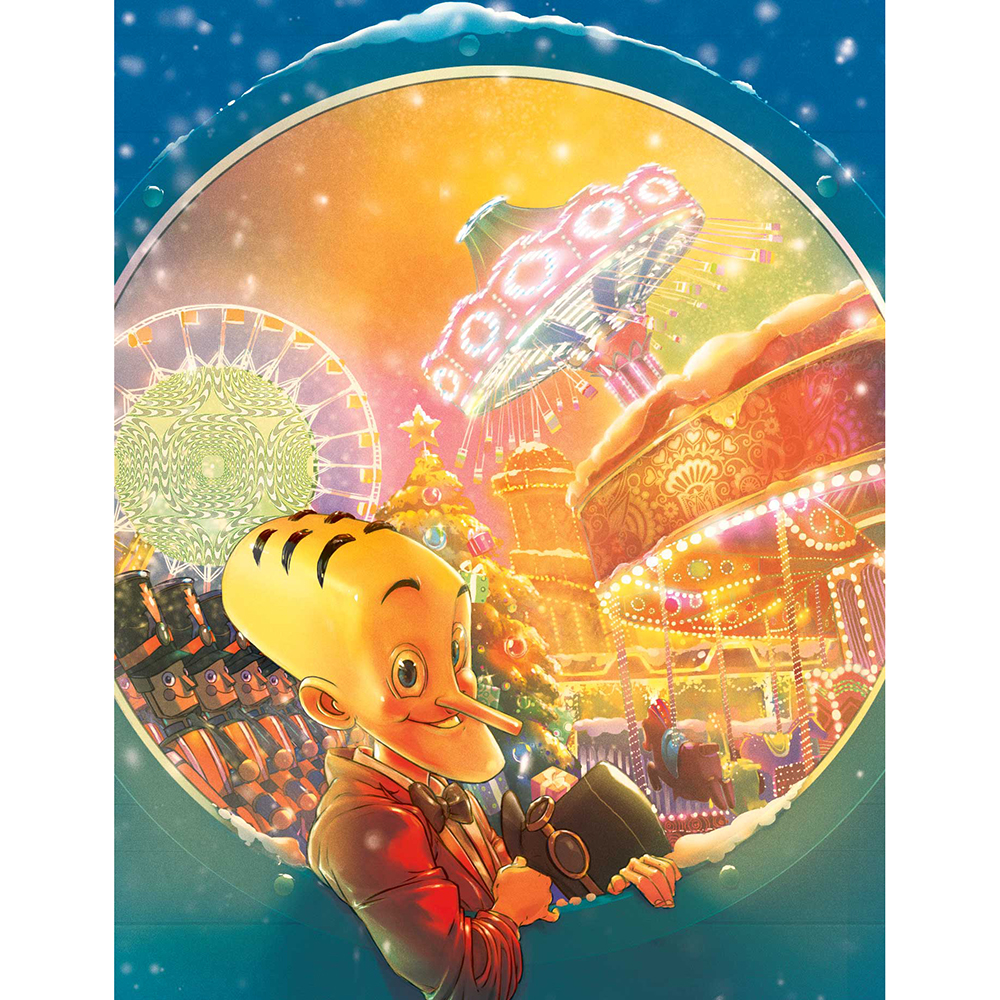
To understand light, enquire yourself the following. Is the lite warm, cool or neutral? Is it direct or is in that location ambient light? How intense is the ambient low-cal compared to the main light source? Is there a secondary light source? What's the nature of these sources: straight, rim or diffused? And annotation how intense the light from one source is with respect to the other.
05. Capture the balance of tension and relaxation
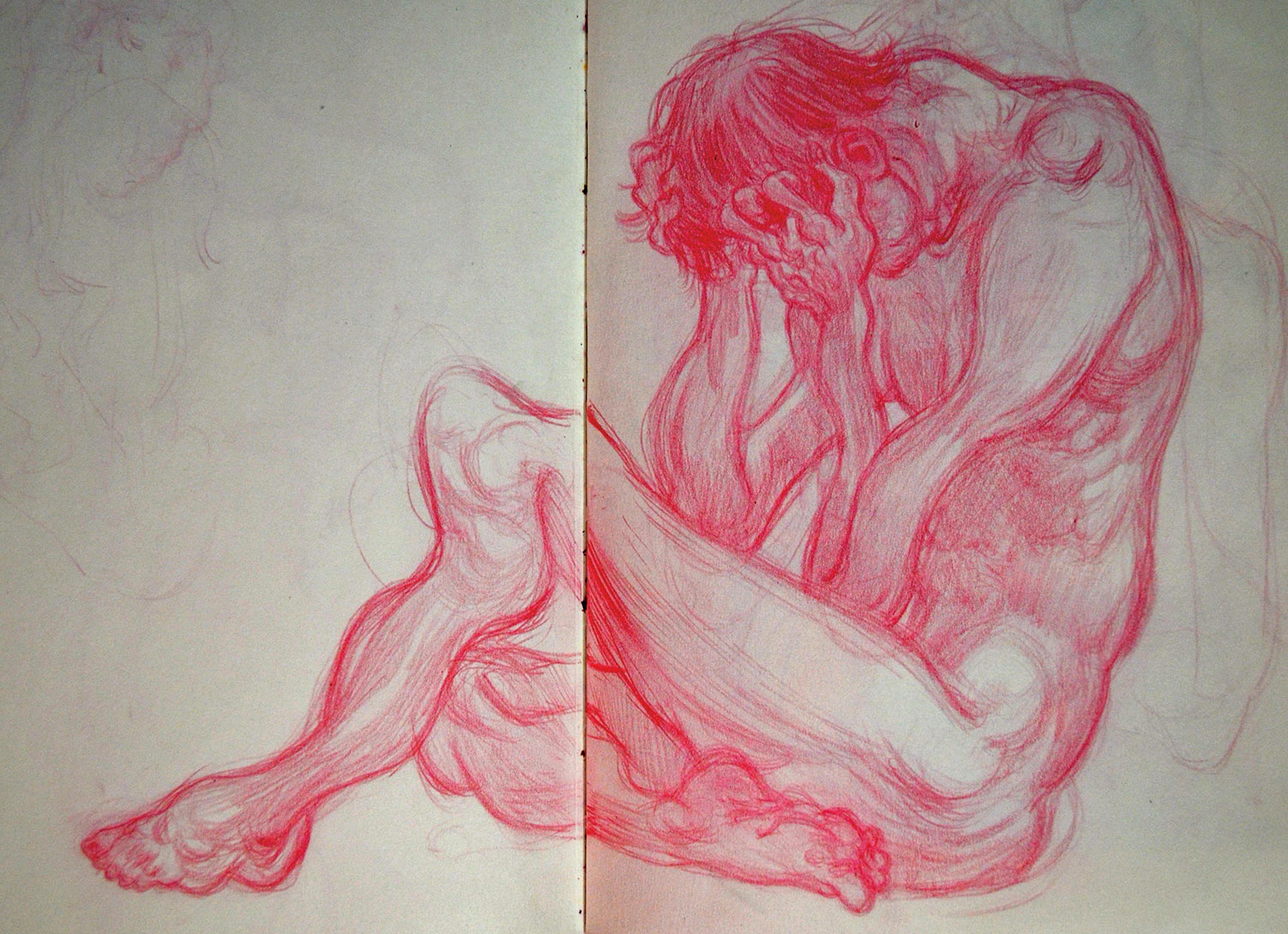
Any grade will generally have a combination of tension and relaxation. Information technology'southward one of the things that brings life into the form. Keep observing the switch between the two states.
Student artists often inquire me why their drawings wait stiff. One of the well-nigh glaring issues I come across is that people overlook which areas of their graphic symbol'due south body are tense and which ones are relaxed. They draw hands, legs, the torso and so on well, but everything is almost rigid. If the entire trunk is tensed and so the artwork volition look potent, also.
- How to begin a figure drawing
06. Try acting
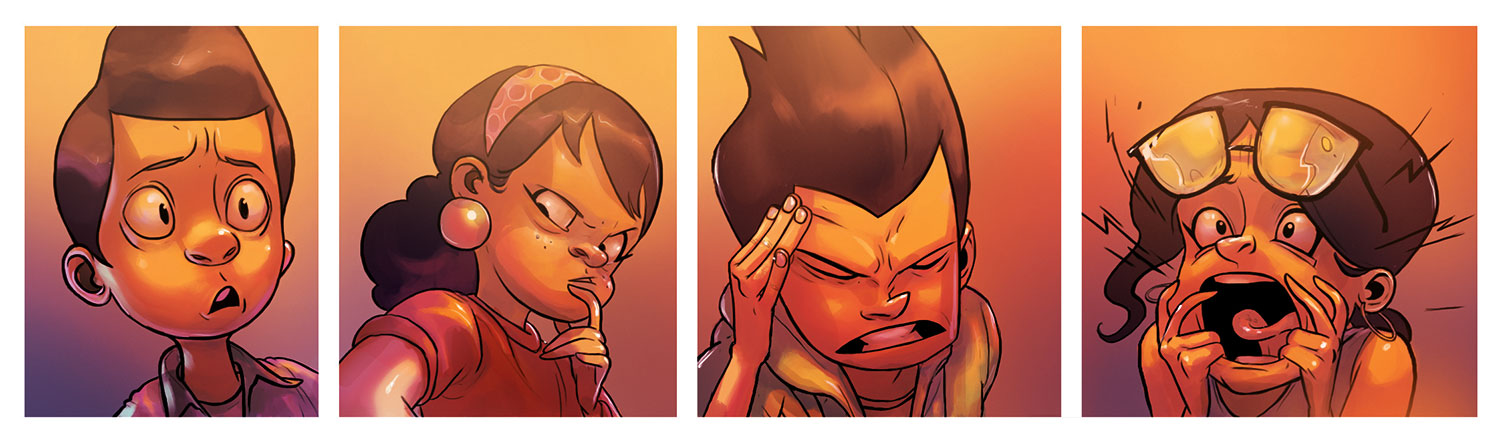
Acting isn't only about the face up. It'southward also body linguistic communication. At whatever given betoken, the human form is involved in 'acting out', or communicating emotion.
If y'all call up information technology's enough to observe just the facial expressions, try acting in front of a mirror. Let'due south endeavor anger. Do y'all feel your neck edging forward, or some neck muscles stretching? Some tension in your flexor group of muscles in the lower arm? Is your whole torso moving frontwards? Now you come across information technology, don't you? This is gesture drawing.
07. Take note of anomalies
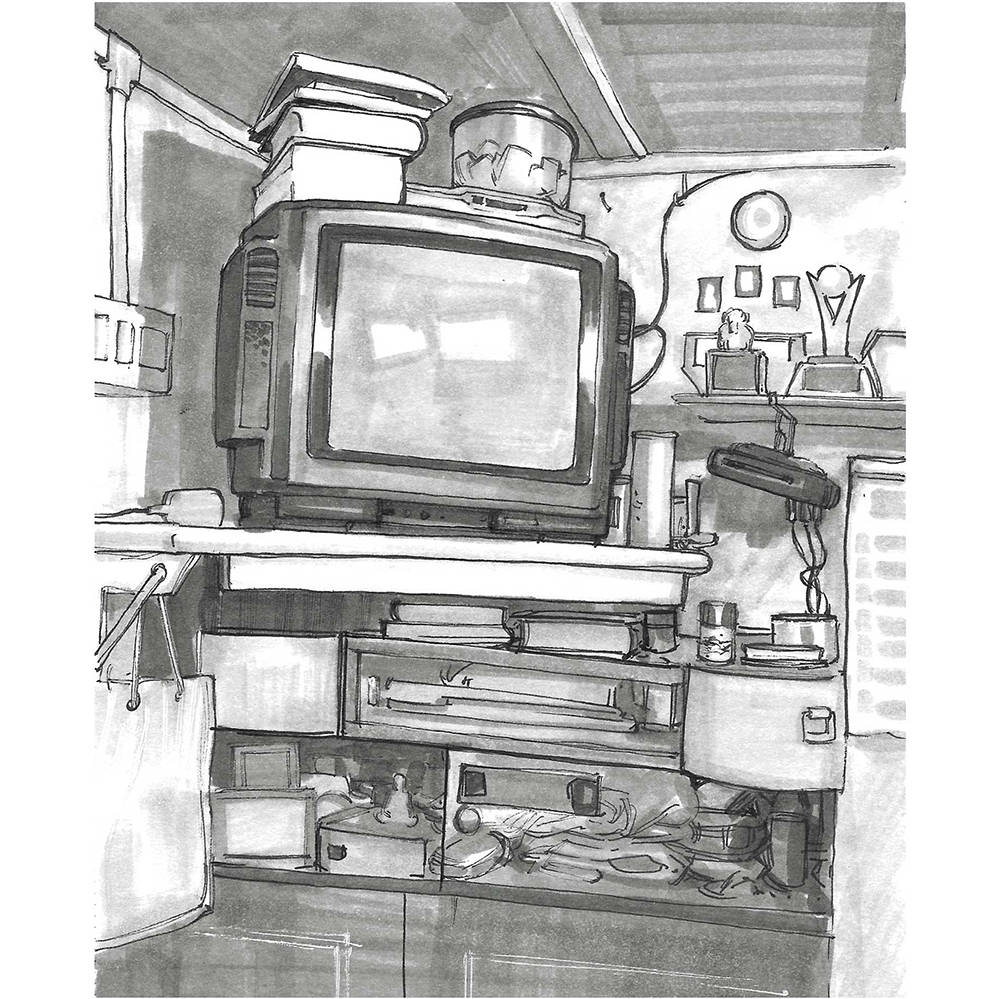
Is there something yous observe that seems like a misfit? Okay, to tease your gray cells, imagine a pistol in the chamber of a 15 year old. Now, that's wrong and highly unlikely, but mayhap you'll encounter something less dramatic, such equally someone using a first-generation Nokia phone, or a Rubik'due south Cube in the hands of a 4-year-one-time.
While you can melt these upwards from retention for your next project, you'll still need a rich visual library to trigger ideas at the right time! Then, exist on the sentry for the stranger things in life.
08. Include a secondary story
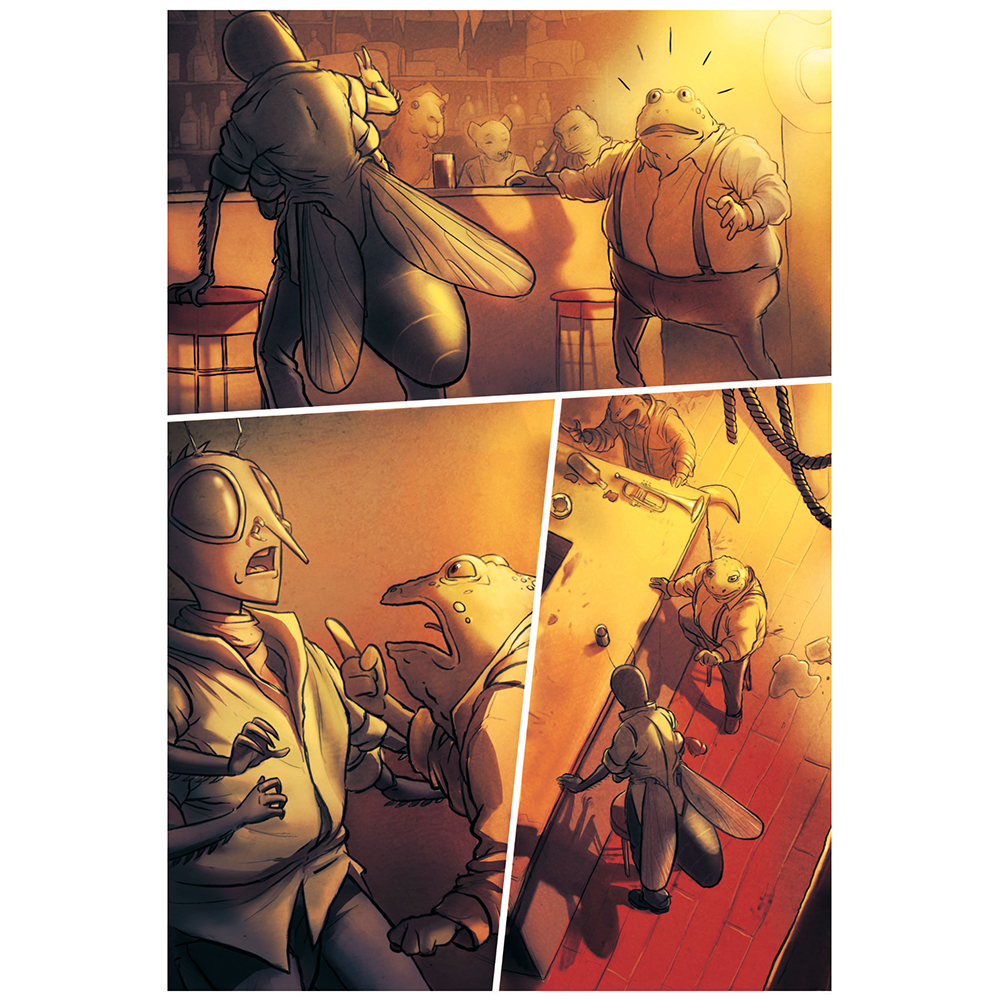
Tin you see a story evolve in front of you? Mayhap information technology's something every bit mundane equally the struggle of someone holding a mug of hot coffee (conflict), then using a tissue to blanket the mug, and belongings it more comfortably (resolution). Fifty-fifty if it's not the intended story, these little beats can help add a secondary level of narration to your artwork.
09. Drive the dominant emotion

I want to distinguish this from acting. The dominant emotion is the mood of a scenario before you. Here's an example: at that place's a frenzy among a group of fans because the dwelling house team has merely won a league lucifer. People may react differently, but the ascendant emotion is one of euphoria.
If it's a split-second emotion, you might non take the time to draw it, and so but capture the essence in your retention and so make gestures to document it. You can likewise nowadays information technology as the mood that you desire to certificate.
10. Tackle your values
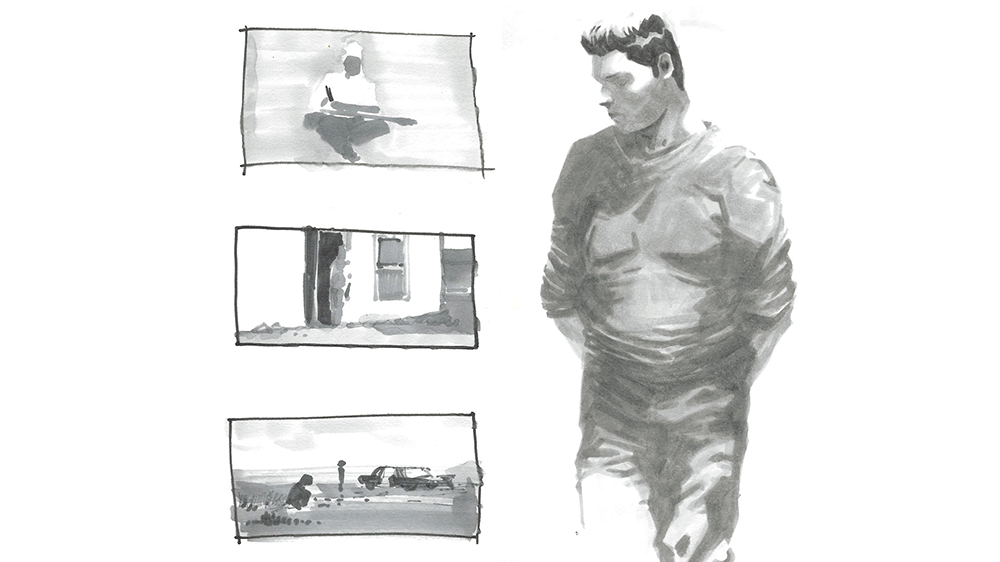
I had trouble doing value studies. Somehow I couldn't put like values together. So I reinvented the wheel for myself. I started with pure blacks documenting simply in blackness and white. A nearby coffee shop was an excellent place for my studies because it had strong overhead spotlights on the seats. These created crisp shadows and were like shooting fish in a barrel to certificate. Slowly, I started introducing greys. I still have to think about values though – they don't come naturally.
11. Consider interactions
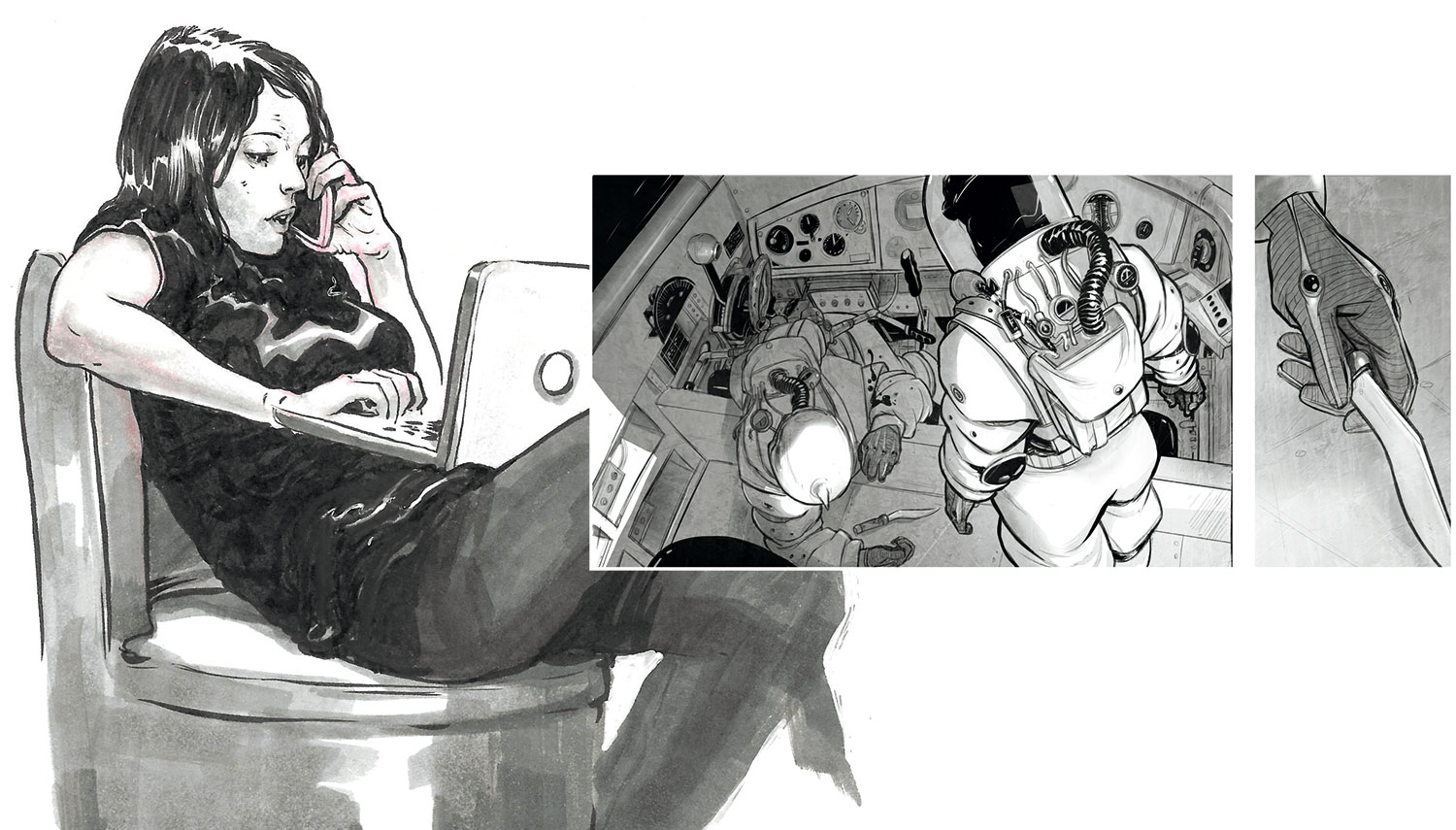
Have you ever observed a person positioning themselves in a style that they almost fit into a particular infinite? Or a person'south arm going effectually the edge of the sofa while they lean on it? While a bowling ball wouldn't make adjustments to fit in, nosotros often do.
Information technology'due south enlightening to observe how we knowingly – or unknowingly – make adjustments to collaborate with our environment. You lot can also observe the tension and relaxation at such times.
12. Look at the nature of materials
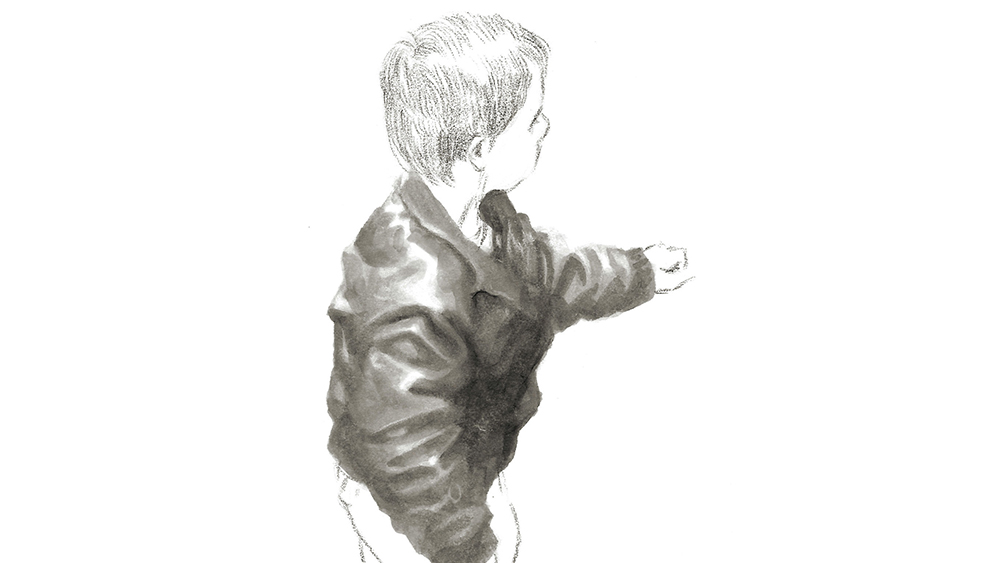
While I was working on the sets of a flick, I noticed the nature of walls: how they reflected lite, the way they age, their weight distribution, and and so on. The nature of different materials means that they offer the artist a range of exciting possibilities.
Simply when yous know how a material behaves under different conditions volition you exist able to portray it realistically. Observe the folds on a leather jacket and those on a cotton shirt, or the precipitous highlights on a metal ball, versus those on a prophylactic ball.
13. Document cultural underpinnings
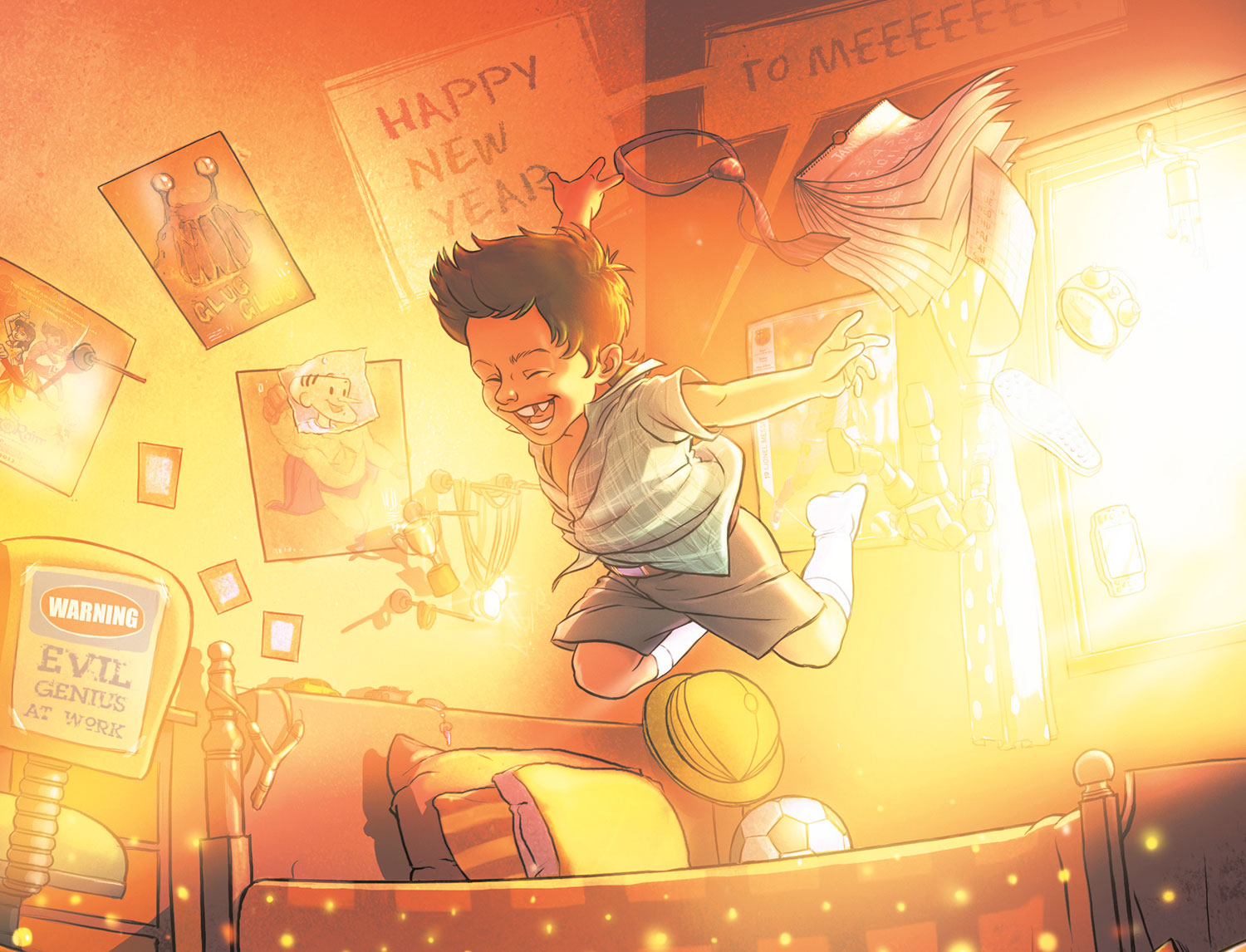
Culture is an extensive term here. It includes regional, political, racial or even scientific civilisation. If you notice sure cultural underpinnings of a group or an private and document them, and so information technology'll assistance yous ascertain the personality of that grouping or private a little more.
14. Apply grade, weight, proportion and perspective
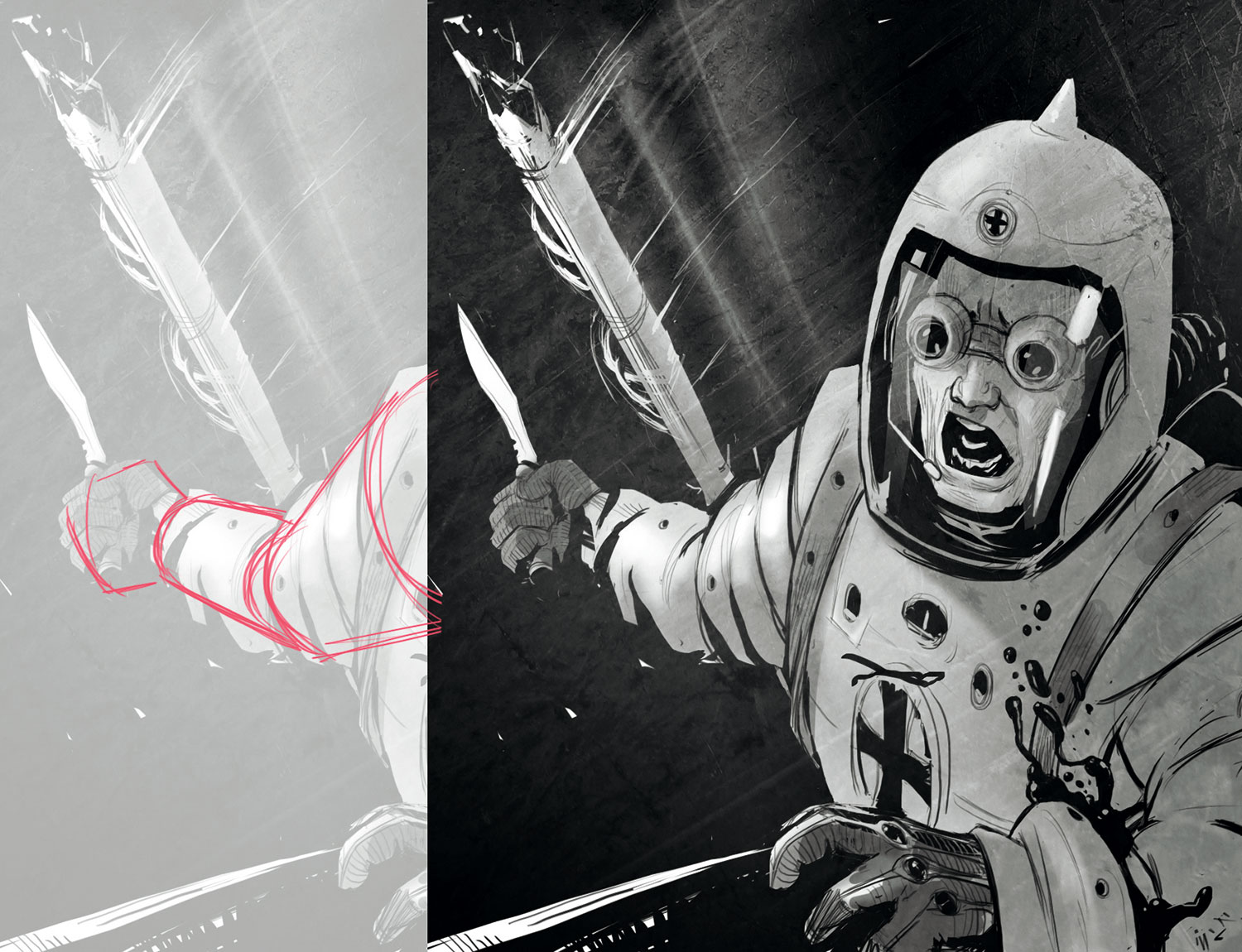
The only mode I can deal with these four heavyweights in one paragraph is with this practise. Make someone lie on the ground with their knees aptitude at correct angles, similar to the posture they accomplish when they're sat on a chair. Stand closer to the legs and then you can run across the figure receding in perspective. Compare this to someone sitting on a chair. In the 2 figures, yous'll be able to compare parts of the body, in terms of class, proportion, perspective and the body's response to gravity.
15. Go beyond reality
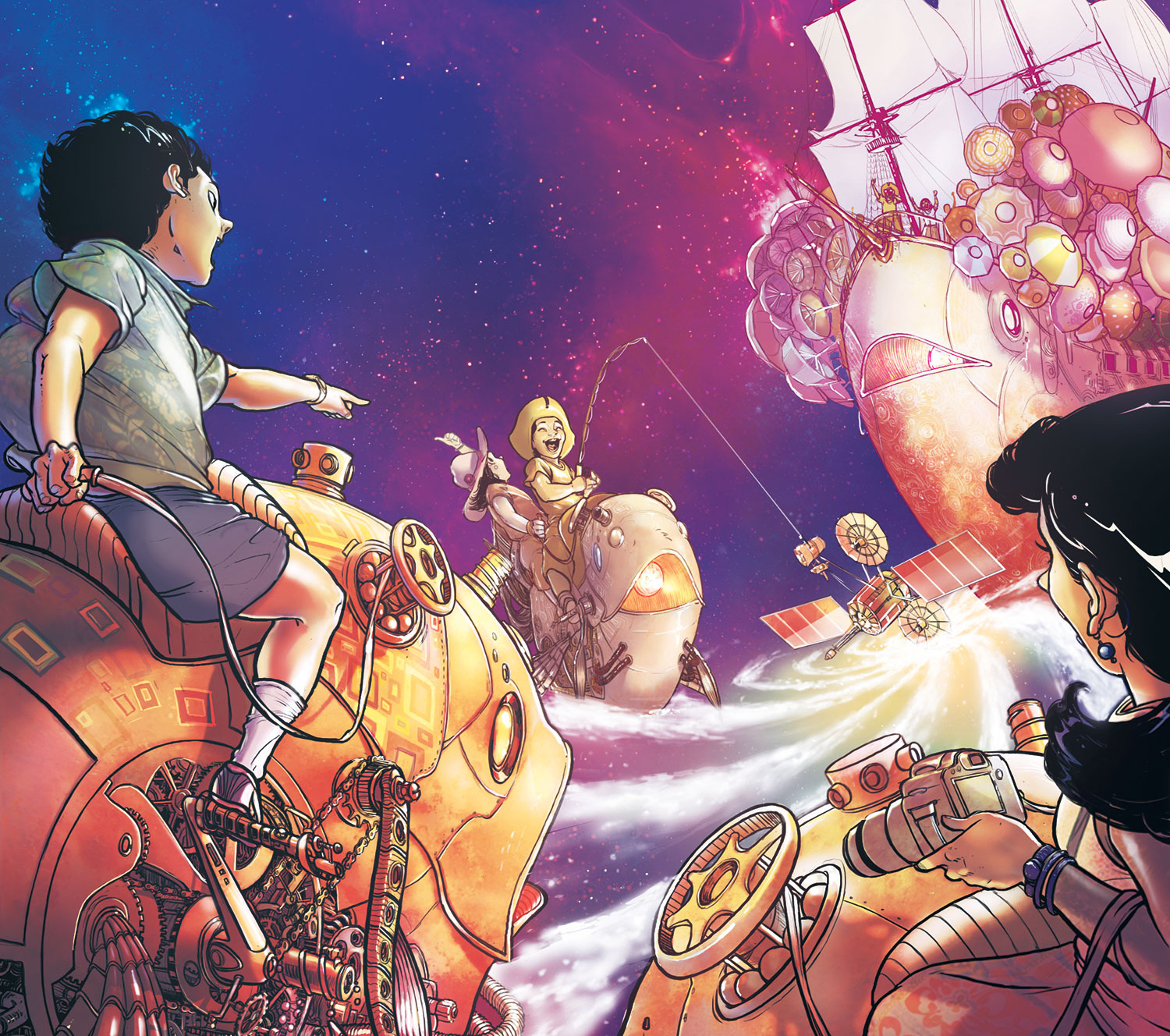
One of the exercises that I frequently do during my observational drawing sessions is stir things upward for myself, but to plow the excitement punch a notch or two higher. I experiment with my drawings and go beyond the reality of the moment.
Sometimes I exaggerate the tension in the effigy to levels that are not achievable past the human torso, or push the existing scenario into a unlike world of physical laws. Purists might contest that this isn't observational cartoon – and possibly they're right – but I'm certainly having fun!
This article originally appeared in ImagineFX , the world'due south best-selling magazine for digital artists. Subscribe to ImagineFX here .
Related articles:
- 17 ways to draw meliorate creatures
- How to depict manga characters
- The best drawing tablet: our choice of the all-time graphics tablets
Related articles
Source: https://www.creativebloq.com/advice/15-observational-drawing-tips
0 Response to "Great Observation Art Drawing the Person Across From You"
ارسال یک نظر